The Complete Home Fire Safety Checklist
Early warning, the right equipment and a plan everyone knows. A room-by-room checklist you can work through in an afternoon.
Early warning: smoke and CO alarms
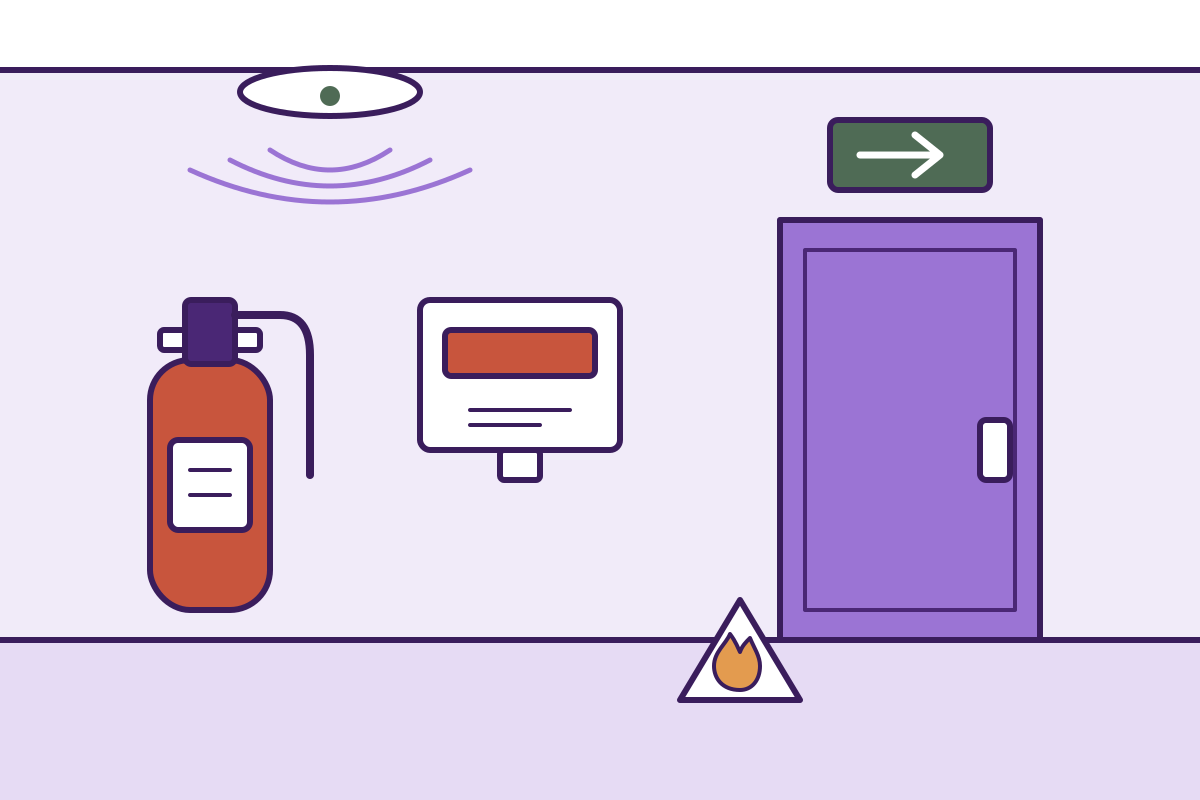
Alarms are the most important fire safety equipment in a home because they give you time to get out. Work through this list:
- There is a working smoke alarm on every level of the home, including the basement.
- Every bedroom has a smoke alarm, and so does the hallway outside sleeping areas.
- Homes with gas appliances, a fireplace or an attached garage have carbon monoxide alarms.
- Every alarm has been tested recently with its test button.
- No alarm is past the replacement date printed by the manufacturer.
Interconnected alarms, where one sounding sets off the rest, are especially useful in larger or multi-story homes where an alarm in one area may not be heard in another.
The kitchen
Cooking is a leading cause of home fires. Simple habits make a real difference:
- Stay in the kitchen while frying, grilling or broiling.
- Keep dish towels, packaging and curtains away from the stovetop.
- Keep a lid nearby to smother a small pan fire, and turn off the burner.
- Never use water on a grease fire.
- Consider a fire blanket mounted near, but not directly above, the range.
Fire extinguishers: useful, but limited
A multipurpose extinguisher can help with a very small fire, such as one just starting in a trash can. Keep one in the kitchen and on each level, check the pressure gauge regularly, and read the instructions before you ever need them.
Use an extinguisher only if the fire is small, you have a clear exit behind you, and you feel confident. If in doubt, get out, close the door behind you and call emergency services.
Electrical and heating checks
- Avoid overloading outlets, power strips and extension cords.
- Replace damaged cords and plugs instead of taping them.
- Keep space heaters clear of furniture, bedding and curtains, and plug them directly into the wall.
- Charge phones, scooters and e-bikes on hard surfaces, not on beds or couches, and unplug them once charged.
- Clean the dryer lint filter after every load.
Any wiring work should be done by a licensed electrician.
Make a home escape plan
An escape plan is a short conversation that can save lives. Agree on the following with everyone in your household:
- The main way out of each room, and a second way out if the first is blocked.
- Where door and window keys are kept, so they are easy to find in the dark.
- Who will help children, older relatives or anyone who needs assistance.
- A meeting spot outside, a safe distance from the house.
- That nobody goes back inside once out.
Practice the plan, keep exits clear of clutter, and make sure security bars and window locks open quickly from the inside.
Check local guidance
Fire codes and alarm requirements vary by state and city. Your local fire department is the best source of guidance where you live, and many offer free home safety advice.
If you would like help reviewing alarms, equipment and escape routes together, see our fire safety service.
This article is general information, not professional advice for your property. Check local codes and consult licensed professionals. See our terms and conditions.