Is Your Roof Ready for Solar Panels?
Solar panels are built to stay in place for many years. Checking the roof underneath them first can save a costly removal later.
Why the roof comes first
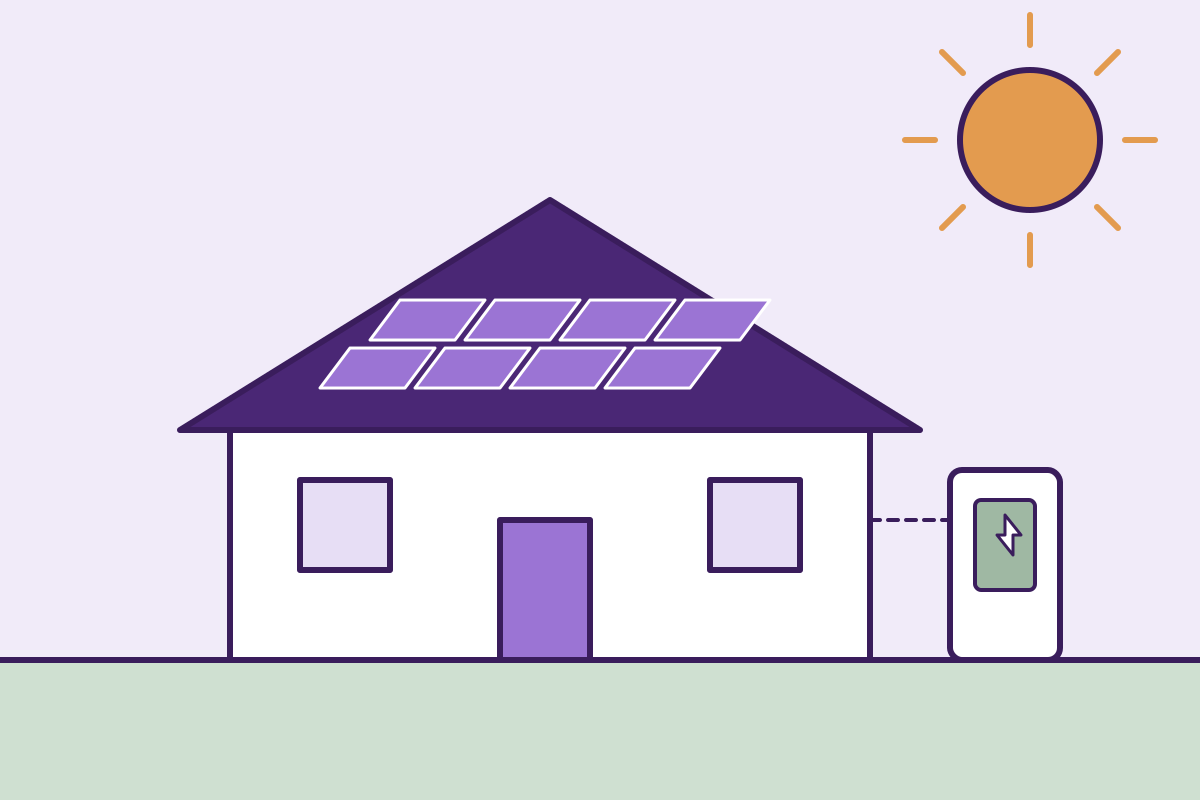
Solar panels are a long-term installation. If the roof underneath needs major repair or replacement a few years after the panels go up, they usually have to be removed and reinstalled, which adds cost and disruption.
That is why the most useful question before getting solar quotes is simple: how much life does the roof have left?
Check the roof's condition
Signs that a roof may need attention before solar include:
- Cracked, curling or missing shingles or tiles
- Granules collecting in gutters and downspouts
- Water stains on ceilings or in the attic
- Sagging sections of the roofline
- Worn flashing around chimneys, vents or skylights
Never climb onto a roof yourself to check. A professional inspection with photos gives you a clear record without the risk.
Orientation, pitch and shade
How much electricity panels produce depends heavily on how much direct sun they receive. Three factors matter most:
- Orientation: in the United States, south-facing roof planes generally receive the most sun. East- and west-facing planes can still work well, with output shifted toward morning or afternoon.
- Pitch: the angle of the roof affects how directly sunlight reaches the panels. Racking can adjust the angle on low-slope roofs.
- Shade: trees, neighboring buildings, chimneys and vents can shade panels for part of the day. Even partial shade can reduce output, depending on the system design.
Structure and usable space
Panels and racking add weight and need secure attachment points. An installer should confirm that the roof framing can carry the system and that every penetration will be properly flashed and sealed.
Also consider usable space. Vents, skylights, roof edges and required fire-access pathways reduce the area available for panels, which affects the size of system you can fit.
Match the system to your electricity use
Look at a full year of utility bills if you have them. Knowing roughly how much power you use, and whether most of it is during the day or the evening, helps decide the system size and whether battery storage is worth considering.
Savings vary with system size, sunlight, utility rates and export arrangements. Treat any savings estimate as an estimate rather than a promise.
Permits, interconnection and incentives
Solar installations typically need a building permit and an interconnection agreement with your utility. Rate structures, export credits and incentive programs depend on your utility and location and change over time, so confirm current rules with your utility and official government sources before committing. Check any HOA requirements too.
If your roof is close to needing work, it often makes sense to plan both projects together. Our roofing upgrade and solar upgrade services can be scoped as one project.
This article is general information, not professional advice for your property. Check local codes and consult licensed professionals. See our terms and conditions.